

As the global mining industry faces increasing pressure to reduce its environmental footprint, the concept of "Green Mining" has moved from a buzzword to a strict operational requirement. While much of the focus is on emissions and water usage, the materials used in drilling consumables also play a critical role in sustainable operations.
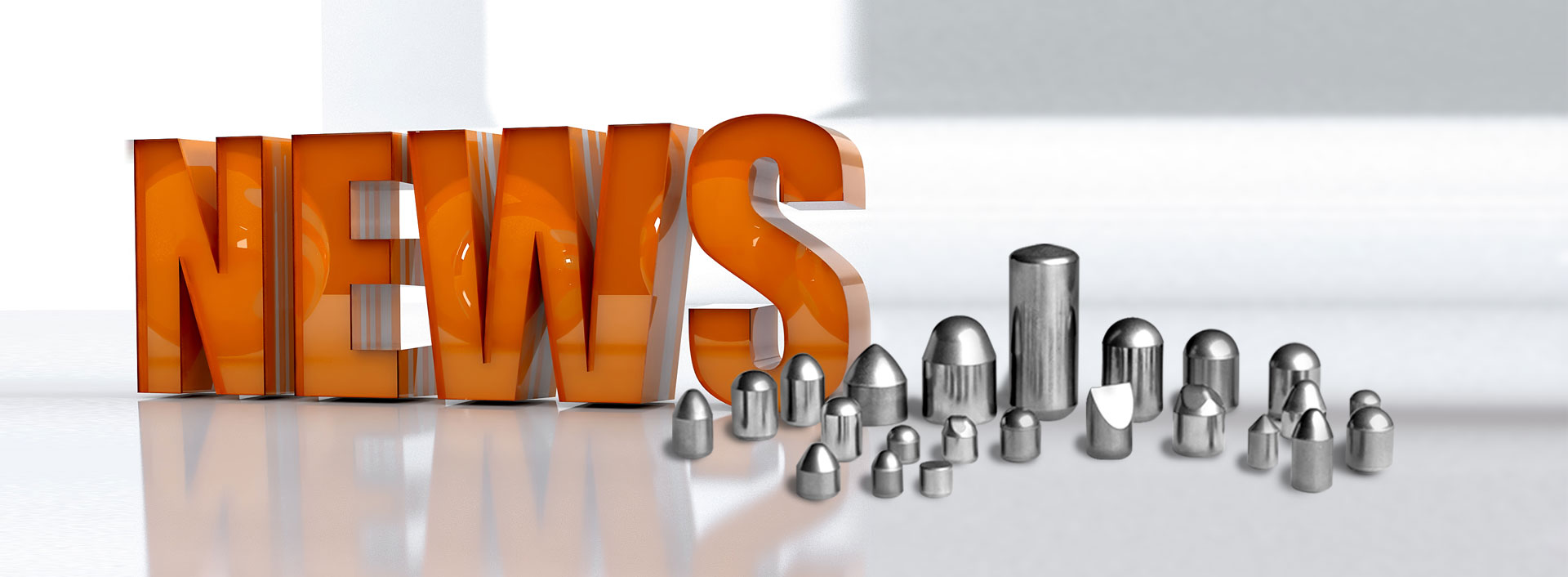
At the center of this shift is the Tungsten Carbide Button.
Longer Lifespan Means Less Waste
The most direct way to reduce the environmental impact of drilling is to use tools that last longer. When a drill bit fails prematurely, it doesn't just cost money—it consumes additional energy for manufacturing, transportation, and disposal.
High-quality tungsten carbide buttons, manufactured with 100% virgin raw materials and advanced HIP sintering, offer exceptional wear resistance. By extending the service life of drill bits and reducing the frequency of replacements, mining operations can significantly lower their energy consumption and solid waste generation.
The Push for Tungsten Recycling
Tungsten is a rare and valuable strategic metal. To support a circular economy, leading carbide manufacturers are increasingly investing in advanced recycling technologies. By recovering tungsten from used drill bits and industrial scraps, the industry can reduce the environmental impact of primary mining and ensure a more stable supply chain for future generations.
Eco-Friendly Manufacturing Processes
Sustainability also begins on the factory floor. Modern carbide manufacturing focuses on energy-efficient sintering processes and strict waste management. Ensuring that production lines operate with minimal environmental impact is a key requirement for global OEM partners today.
By choosing a manufacturer that prioritizes both product longevity and eco-friendly production, mining companies and drill bit OEMs can confidently meet their ESG goals while maintaining high productivity.


